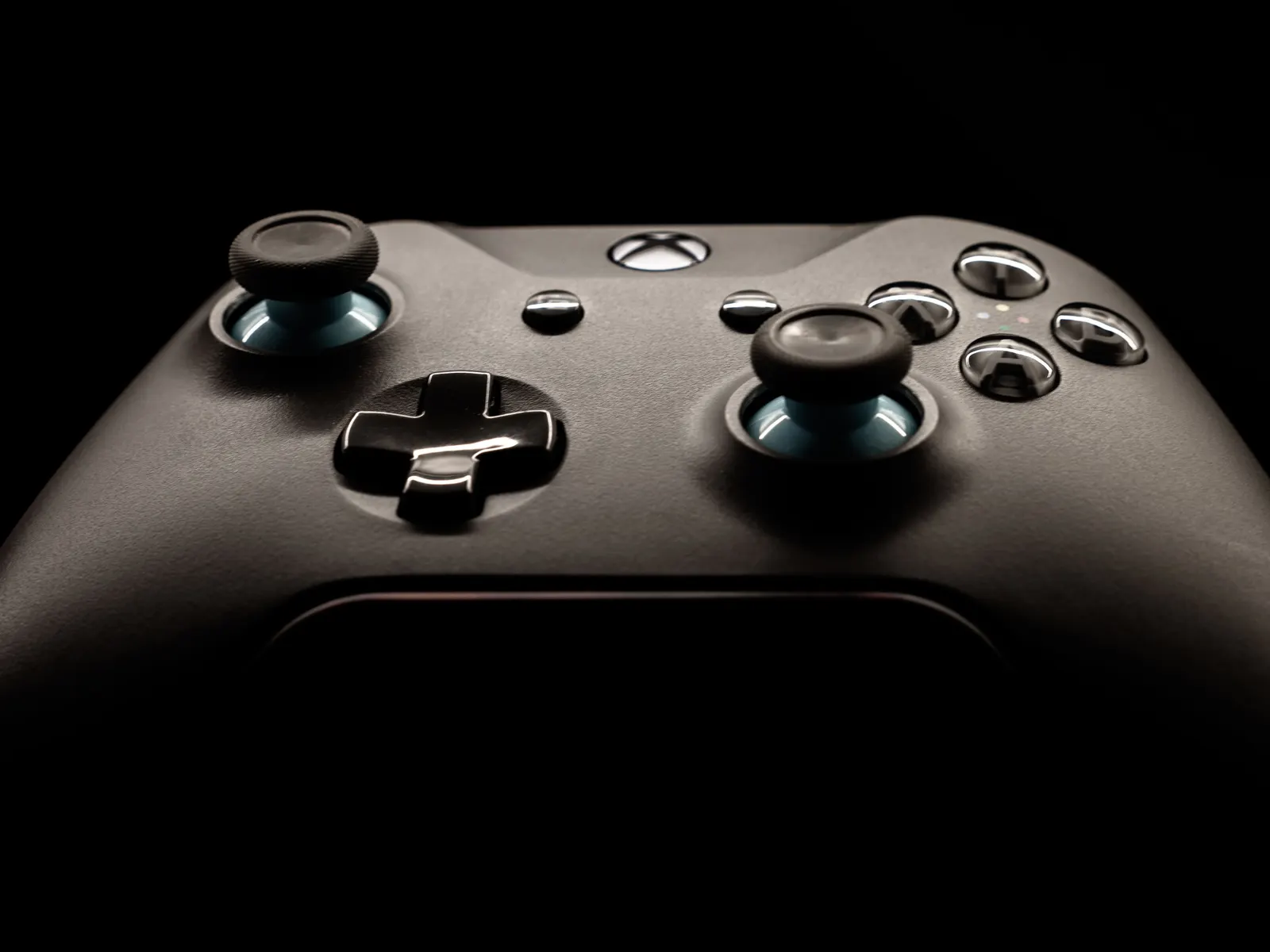
A Moroccan-American summit on intellectual property, held in Casablanca on 15 October 2026, put a very practical question back on the table: what legal precautions should be taken before launching a video game in Morocco? A game is not only a technical product. It is a bundle of rights over the code, the artwork, the music and the name. A right that was not properly acquired can delay a release, derail a funding round or weaken a publishing deal.
Who owns the rights in the game?
Law 2-00 on copyright sets the principle: the author is the first owner of the moral and economic rights in the work (article 31). The developer, the illustrator or the composer therefore start out as the owners of what they create. When several people create together, a work of collaboration is jointly owned by its co-authors (article 32), which means they must agree on how it is exploited.
For employees, article 35 provides that the economic rights in works created under an employment contract pass to the employer, within the scope of its usual activities. There is no such rule for freelancers: paying a creator is not the same as owning the rights. Without a written assignment, a studio may end up exploiting an asset that does not belong to it.
Assignments and licences: spell out what is allowed
A licence covers only the uses it lists. Music acquired for a trailer cannot, without further authorisation, become the soundtrack of the game itself. In addition, article 42 of Law 2-00 provides that if the territory is not specified, the assignment or licence is limited to the country where it was granted. For a game aimed at international platforms, this rule alone can block distribution outside Morocco. An assignment or licence agreement should at least specify:
- the works covered (code, graphic assets, sounds, texts, characters);
- each authorised use: in the game, in promotion, in merchandise, in adaptations;
- the territory, bearing in mind online distribution outside Morocco;
- the term and the payment;
- the author's credit, in respect of moral rights.
Structuring the company and securing its assets
When a project brings several founders together, a shareholders' agreement is useful in addition to the articles of association: the articles organise the company, while the agreement governs the relationship between partners (roles, a founder leaving, an investor coming in). Key assets should be held in the company's name rather than a founder's: source code, accounts on distribution platforms, development tools.
The game's name and logo deserve separate protection: a trademark filing with OMPIC (the Moroccan industrial and commercial property office), under Law 17-97. It is wise to check that the name is available before investing in marketing.
Folklore and heritage: prior authorisation required
Many creators draw on Moroccan heritage: tales, patterns, traditional music. That choice has a legal consequence. An assignment or exclusive licence over a work inspired by folklore requires the approval of the BMDA (the Moroccan copyright office). In addition, since Law 013.26, published in the Bulletin officiel (Official Gazette) of 10 August 2026 and amending Law 2-00, the commercial exploitation of folklore and public-domain works requires the BMDA's prior authorisation.
Investor or publisher, and fighting piracy
An investor normally takes equity; a publisher funds or distributes the game in return for a share of revenue. Publishing contracts often include a recoupment clause under which the publisher recovers its advances before the studio receives any royalties. These clauses decide when the studio actually starts getting paid, so they need careful reading.
Once the game is out, piracy remains a risk. Law 013.26 covers any unauthorised exploitation by any means, including digital. The court may order any measure to prevent or stop an infringement, addressed to any person able to end it, for example an internet service provider (article 61). Deliberate infringements for commercial purposes carry 2 to 6 months' imprisonment and/or a fine of 10,000 to 100,000 DH (article 64).
Sources
- Médias24, 18 October 2026: « Gaming : des précautions juridiques avant de lancer un jeu au Maroc »
- Médias24, 20 August 2026: « Streaming illégal désormais en vigueur : ce que change la nouvelle loi sur les droits d'auteur »
Maître Mouad Lahfaia
Lawyer at the Rabat Bar
This article reflects the author's views as at the date of publication. It does not constitute legal advice and is no substitute for an analysis of your particular situation.