

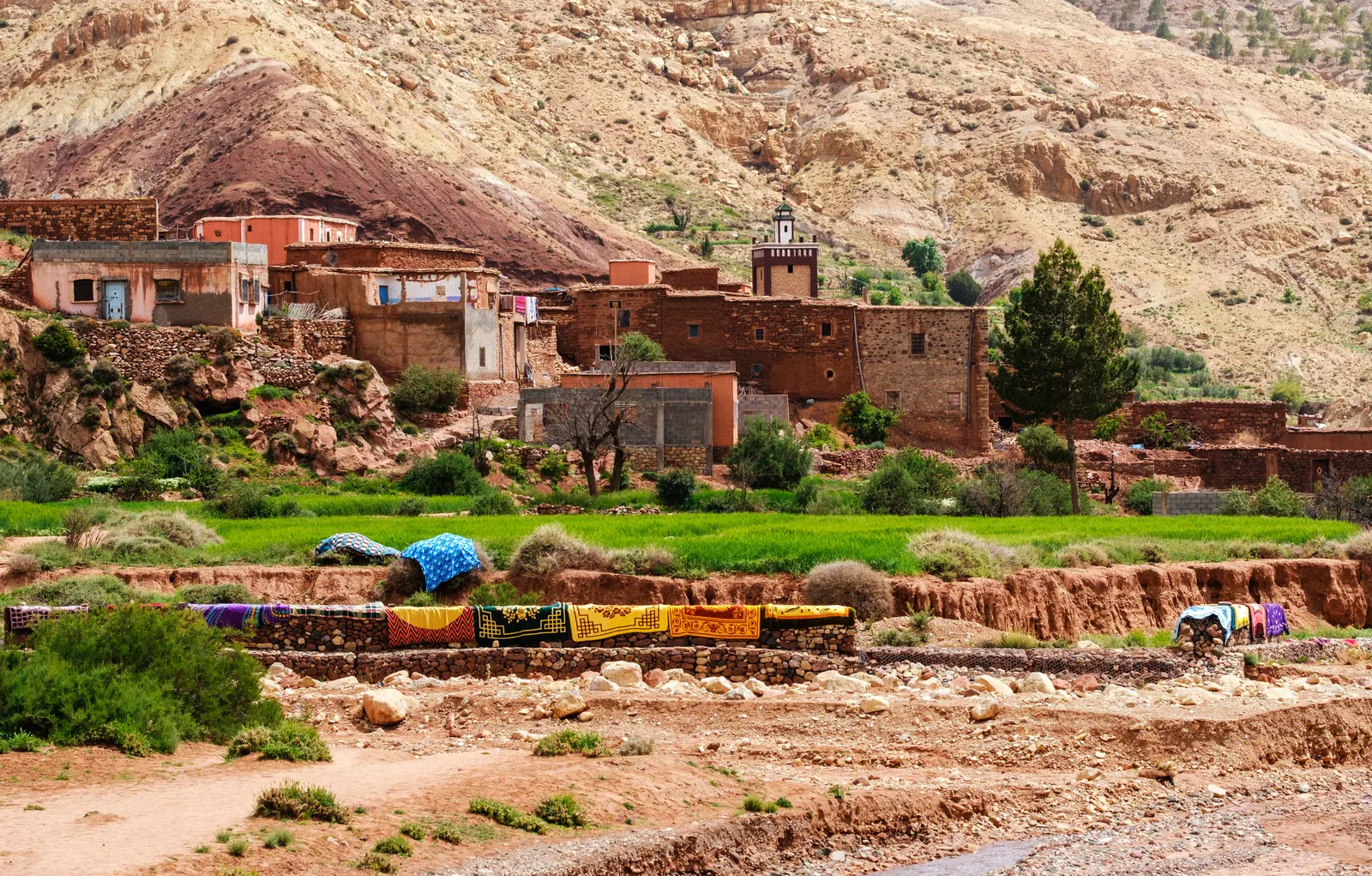
The Bulletin officiel (Official Gazette) of 30 April 2026 published seventeen decrees opening administrative delimitation operations on collective lands, known as soulaliyate lands. The first operations started on 7 September 2026. These lands cover about 15 million hectares and concern nearly 10 million people. Behind these figures lie very practical questions: who is a right holder, how can one become an individual owner, and on what terms can an investor lease or acquire land? The 2026 campaign is a good moment to take stock.
Collective lands under a special regime
Soulaliyate lands belong to communities, not to individuals. They are inalienable and placed under the supervision of the Ministry of the Interior. This regime protects community assets, but it has long raised questions about the individual rights of community members and about how these lands can be put to productive use.
The reform carried by Laws 62.17, 63.17 and 64.17 seeks to reconcile these goals. Law 63.17 organises administrative delimitation. The reform as a whole recognises women as right holders on an equal footing with men, opens the way to melkisation, meaning the grant of individual private ownership to right holders, and allows land to be leased or transferred to investors.
The 2026 delimitation campaign
The seventeen decrees published on 30 April 2026 schedule delimitation operations from 7 September 2026. In Azilal province, they cover in particular lands of the Aït Atta, Aït Tamejote, Aït As-ha and Aït Khouya communities. Other operations concern 319 hectares at Aït Ali Kedour (17 September), 162 hectares of the Bni Derkoul in Chefchaouen province (14 September), 179 hectares in Fahs-Anjra and 41 hectares in Tétouan.
Administrative delimitation is an annual exercise: further campaigns will follow. It fixes the boundaries of a collective land, a step that comes before securing it legally, in particular through land registration, which leads to the issue of a land title. For right holders and neighbouring owners alike, this is a time to be present and attentive.
What the reform changes for right holders
Recognising women as right holders on an equal footing with men is one of the major changes. It directly affects the sharing of use rights and future allocations. Women who belong to a community should check that their rights are actually reflected in the documents drawn up during the operations.
Melkisation turns a right exercised over collective land into individual private ownership. For the right holder, this means added security but also a change of status: the land becomes personal property, with the inheritance, management and transfer questions that come with it. It is wise to discuss this within the family as soon as the plot is allocated, to avoid later disputes.
Investors: regulated access
The reform allows collective lands to be leased or transferred to investors. These operations nevertheless take place within the Interior Ministry's supervisory regime. An investor cannot deal freely with individual community members: collective land remains inalienable until it has been transferred under the legal framework or allocated as individual property.
In practice, the exact status of the land shapes the whole structure of the project: collective land not yet delimited, delimited land, registered land, or a plot allocated as private property. An investment based on a mere informal arrangement with occupants carries a serious risk of being challenged, whatever the amount already invested.
Checks to carry out
Whether you are a right holder, a neighbouring owner or an investor, a few habits help secure your position during and after delimitation operations. They rely mainly on documentation and on careful monitoring of official announcements concerning the community. A check made before an operation always costs less than a dispute started afterwards.
- Follow the publication of decrees and the schedule of operations concerning your community.
- Check that your status as a right holder is recognised and documented, including for the women of the family.
- Keep any document proving the use or occupation of a plot.
- For an investor, establish the precise status of the land before any commitment.
- Avoid any direct, informal deal involving inalienable collective land.
Sources
- Médias24, Nawfal Kaiss, 7 May 2026: « Terres soulaliyates : le gouvernement lance une vaste opération de délimitation pour 2026 »

Maître Mouad Lahfaia
Lawyer at the Rabat Bar
This article reflects the author's views as at the date of publication. It does not constitute legal advice and is no substitute for an analysis of your particular situation.